
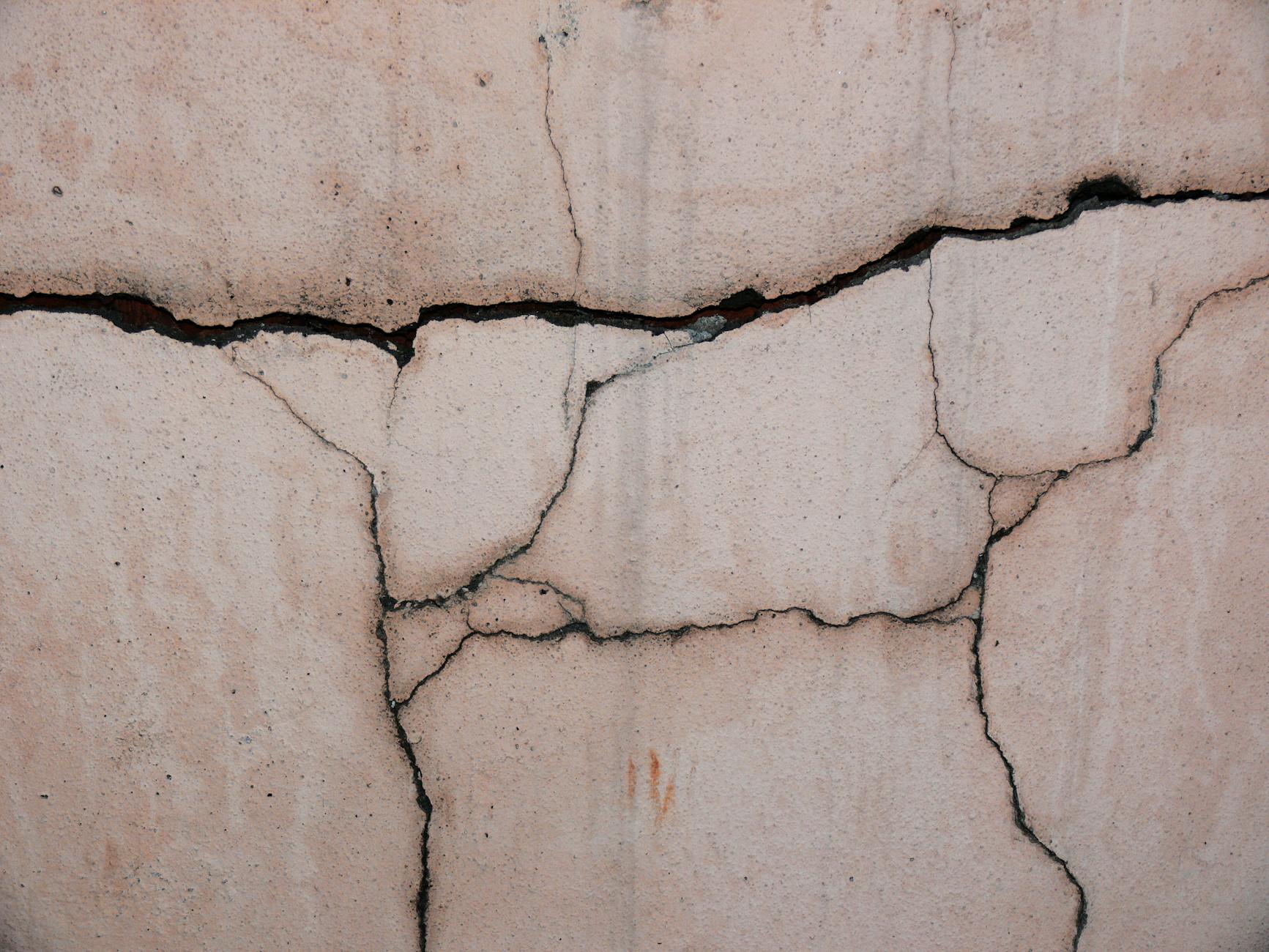
Selling a house with foundation problems on Long Island is entirely possible, and you have more options than you might think. Whether you’ve just received a troubling inspection report, noticed cracks spreading across your basement walls, or inherited a property with structural issues, this guide will walk you through exactly what to expect, what your choices are, and how to move forward without letting foundation problems derail your plans.
What Counts as a Foundation Problem?
Foundation problems range from minor cosmetic issues to serious structural failures. Not every crack in a wall means your house is falling apart, but some signs genuinely indicate costly underlying issues that buyers and their lenders will flag immediately.
Common foundation issues found in Long Island homes include:
- Horizontal cracks in basement walls – Often the most serious type, indicating lateral soil pressure pushing inward
- Stair-step cracks in brick or block foundations – Typically a sign of differential settling
- Vertical cracks wider than 1/4 inch – Can indicate significant settling or heaving
- Bowing or leaning basement walls – A serious structural concern requiring immediate attention
- Water intrusion through foundation walls – Often tied to foundation cracks and drainage problems
- Uneven floors or doors and windows that won’t close properly – Can signal foundation movement
- Gaps between walls and ceilings or floors – A sign of differential settlement
Long Island’s geology plays a significant role in foundation health. The region sits on glacial outwash deposits with sandy, porous soils that drain quickly in some areas and hold moisture in others. In communities near Great South Bay, the North Shore, or low-lying areas of Nassau County like Hempstead, soil saturation and frost heave are common culprits behind foundation deterioration.
How Much Does Foundation Repair Cost?
Before you decide how to sell a house with foundation problems, it helps to understand what repairs actually cost. The numbers can be sobering, and they often explain why so many Long Island homeowners choose to sell as-is rather than invest in repairs before listing.
Here is a breakdown of typical foundation repair costs in the New York metro area:
- Minor crack injection (epoxy or polyurethane): $500 to $3,000
- Carbon fiber strap installation for bowing walls: $4,000 to $12,000
- Piering or underpinning (push piers or helical piers): $10,000 to $30,000+
- Full foundation replacement: $30,000 to $100,000+
- Waterproofing and drainage systems: $5,000 to $20,000
- Mudjacking or slab leveling: $1,000 to $5,000
According to HUD’s guidelines on structural deficiencies, foundation problems are one of the top reasons mortgage lenders decline to finance a home purchase, which directly impacts your pool of potential buyers when selling traditionally.
The critical question to ask yourself is this: will repairing the foundation actually return that investment in your sale price? In many cases on Long Island, the answer is no. Buyers and their agents will still negotiate down the price even after repairs, citing concerns about future problems. Many sellers find that spending $20,000 on repairs only nets them $15,000 more in the sale price, resulting in a net loss.
New York Disclosure Requirements for Foundation Problems
New York State has specific rules about disclosing known defects when selling a home. Under New York Real Property Law Section 462, sellers must complete a Property Condition Disclosure Statement (PCDS) that includes questions about the structure and foundation of the home.
The PCDS asks directly whether you are aware of any defects or problems with the foundation, basement, or structural components of the property. If you know about foundation problems and fail to disclose them, you could face legal liability after closing.
Here is what you need to know about disclosure in New York:
- You must disclose known defects. If a structural engineer or inspector has identified foundation issues, those are considered known defects.
- You cannot



Behind on Property Taxes in New York? Here Are Your Options
Behind on property taxes in New York? Learn your options before you lose your home. Long Island homeowners can use payment plans, exemptions, or a cash sale to resolve tax debt fast.