If you need to sell a hoarder house on Long Island, the good news is that you do not have to spend weeks cleaning, hauling, or repairing anything before you can sell. Cash home buyers purchase hoarder properties exactly as they are, allowing you to walk away quickly without touching a single item inside.
What Counts as a Hoarder House?
Hoarding disorder affects an estimated 2 to 6 percent of the U.S. population, according to the American Psychiatric Association. That translates to millions of homes across the country, including a significant number right here on Long Island, in communities from Babylon to Hempstead and Brookhaven to Islip.
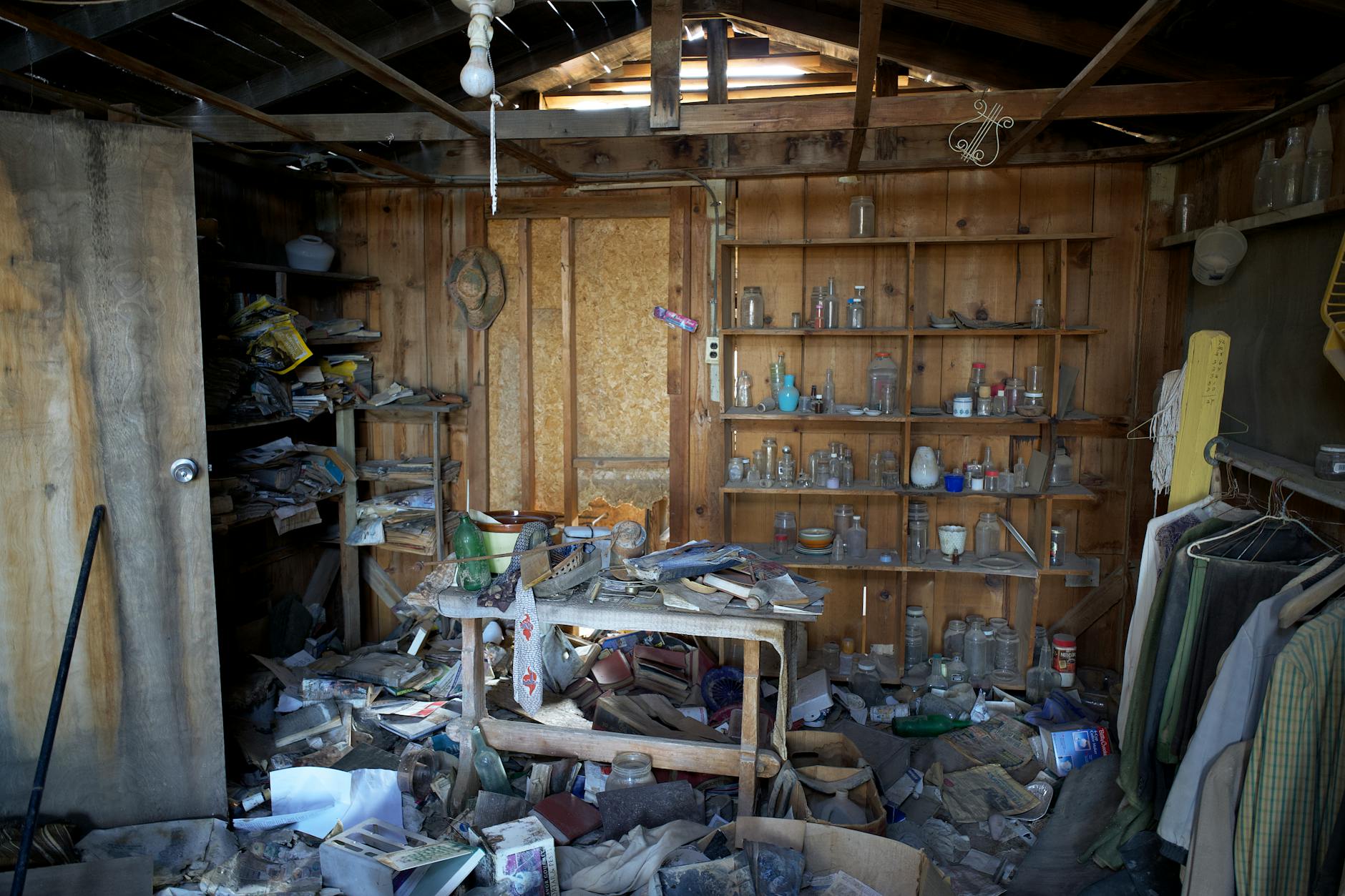
A hoarder house can take many forms. It might be a home filled floor to ceiling with newspapers, clothing, furniture, or collectibles. It might have narrow pathways carved through rooms, non-functional bathrooms or kitchens, or compromised structural elements hidden beneath years of accumulation. In severe cases, pest infestations, mold, and biohazard conditions are also present.
Real estate professionals generally classify hoarding severity on a scale of one to nine, using the Clutter Image Rating scale. Levels one through three are mild clutter that most buyers can overlook. Levels four through six represent moderate hoarding with functional but compromised living spaces. Levels seven through nine involve extreme accumulation with safety hazards, structural damage, and potentially unlivable conditions.
Regardless of where your property falls on that scale, you have real options for selling it without going through an exhausting and expensive cleanup process first.
The Real Challenges of Selling a Hoarder Home
Selling a hoarder house through traditional channels comes with a long list of complications that most homeowners do not fully anticipate until they are already deep in the process.
The Cost of Professional Cleanup
Professional hoarding cleanup on Long Island typically costs between $1,000 and $25,000 or more, depending on the severity and square footage of the home. Severe cases involving biohazards, pest infestations, or structural debris can push costs significantly higher. That is money you have to spend before you even list the property.
The Emotional Weight
For families dealing with a loved one’s hoarding disorder, the cleanup process is emotionally exhausting. Sorting through decades of accumulated belongings while also managing the stress of a real estate transaction is often more than people can reasonably handle. Many family members describe the process as a secondary grief, especially when the hoarder has passed away and the property is now part of an estate.
Traditional Buyers and Mortgage Lenders
Most traditional buyers rely on mortgage financing, and lenders require properties to meet minimum habitability standards before approving a loan. A moderate to severe hoarder house will almost certainly fail a bank appraisal or home inspection, which means traditional financing falls through repeatedly, even if you find a buyer who is willing to look past the clutter.
Listing Challenges
Realtors are generally reluctant to list hoarder homes without significant pre-listing cleanup because photos drive online traffic and showings. A home that cannot be photographed effectively sits on the market far longer than average, which drives down your final sale price anyway.
Your Options for Selling a Hoarder House
You have three primary paths when it comes to selling a hoarder property on Long Island. Understanding the differences between them will help you choose the approach that fits your timeline, budget, and energy level.
| Option | Cleanup Required | Timeline | Costs to Seller | Certainty of Sale |
|---|---|---|---|---|
| Traditional MLS Listing | Yes, extensive | 3 to 6 months | Cleanup + realtor fees (5-6%) + closing costs | Low – financing can fall through |
| Auction | Sometimes partial | 30 to 60 days | Auction fees (5-10%) | Medium – sale price is unpredictable |
| Cash Home Buyer | No | 7 to 14 days | None – no fees or commissions | High – no financing contingency |
For most homeowners dealing with a hoarder property, the cash home buyer route is the most practical and least stressful option. You skip the cleanup entirely, avoid realtor commissions, and close on a timeline that works for you. You can learn more about selling your damaged house for cash to understand exactly what that process looks like.
How the Cash Sale Process Works
If you have never sold a home for cash before, the process is straightforward and moves much faster than a traditional sale. Here is exactly what to expect when you contact a cash buyer about a hoarder property on Long Island.
- Submit your property information. You share basic details about the home, including the address, your general situation, and any known condition issues. You do not need to clean up or prepare anything before this step.
- Schedule a walkthrough. A representative from the cash buying company will visit the property to assess its condition. They are experienced with hoarder homes and will not judge you or pressure you. The visit typically takes 30 to 60 minutes.
- Receive your cash offer. After the walkthrough, you will receive a no-obligation cash offer, usually within 24 to 48 hours. The offer accounts for the property’s as-is condition, including any cleanup, repairs, or remediation the buyer will need to handle.
- Review and accept the offer. You can take your time reviewing the offer. There is no pressure to accept, and a reputable buyer will clearly explain how they arrived at the number.
- Choose your closing date. Once you accept, you pick a closing date that works for your schedule. Most cash closings happen within 7 to 14 days, though buyers will often accommodate a longer timeline if you need more time.
- Close and get paid. You sign the closing documents, and the funds are wired or delivered to you. You do not pay any realtor commissions, closing costs, or fees.
If you want a deeper look at the timeline, our guide on how long it takes to sell a house for cash on Long Island breaks down each stage in detail.
What Affects Your Cash Offer on a Hoarder Property
Understanding how a cash buyer calculates their offer helps set realistic expectations. The offer on a hoarder home is based on the same factors as any other cash purchase, adjusted for the additional costs the buyer will take on.
Location and Baseline Market Value
Your home’s location on Long Island is the most important factor. Properties in Oyster Bay, Garden City, and other high-demand Nassau County communities will command higher offers than comparable properties in slower markets. The underlying land value and neighborhood comparables establish the ceiling for any offer.
Severity of Hoarding and Cleanup Costs
The more extensive the cleanup required, the more the buyer factors that cost into the offer. A level three hoarder home with moderate clutter requires far less remediation than a level eight property with structural damage, mold, and pest infestations. Being transparent about conditions during the walkthrough helps the buyer make an accurate assessment.
Structural and Mechanical Condition
Hoarding can mask significant structural issues, including damaged floors from water infiltration, compromised load-bearing walls, or non-functional electrical and plumbing systems. If the buyer identifies major structural concerns during the walkthrough, those repair costs factor into the offer.
Title and Legal Status
Properties with outstanding liens, back taxes, or probate complications require additional steps to close. Cash buyers can typically handle these situations, but they may affect the timeline and offer amount. If you are dealing with a property tax issue alongside your hoarder home situation, our article on being behind on property taxes in New York covers your options in detail.
Practical Tips Before You Sell
Even though you do not need to clean the property before selling to a cash buyer, there are a few steps you can take to make the process smoother and protect yourself along the way.
Gather Any Available Documentation
Locate any documents you have related to the property, including the deed, mortgage statements, property tax bills, and any past inspection reports. You do not need all of these, but having them available speeds up the closing process.
Note Items of Personal Value
Before the walkthrough, do a quick mental inventory of anything inside the home that has sentimental or financial value to you or other family members. Family photos, heirlooms, jewelry, legal documents, or collectibles worth keeping should be identified so you can retrieve them before or during the closing process.
Talk to a Real Estate Attorney
New York is an attorney state for real estate transactions, which means having a real estate attorney review your contract is standard practice. This is especially important for hoarder homes that may have additional complications. A good attorney can review the purchase agreement and make sure your interests are protected.
Understand Your Disclosure Obligations
Under New York Real Property Law Section 443, sellers are required to disclose known material defects. Cash buyers who purchase as-is will typically ask you to sign a disclosure form. Being honest about known issues protects you legally and helps the buyer make an accurate offer.
Get Multiple Offers
You are never obligated to accept the first offer you receive. Getting two or three cash offers allows you to compare and choose the best combination of price, timeline, and terms. Reputable cash buyers will not pressure you into a quick decision.
Selling a Hoarder House on Long Island Specifically
Long Island’s real estate market has some unique characteristics that affect how hoarder homes are bought and sold in this region.
Property values across Suffolk County and Nassau County are significantly higher than the national average, which means even distressed hoarder properties carry substantial underlying value. This works in your favor when negotiating with cash buyers because the baseline land value provides a meaningful floor for offers, even when the home itself requires extensive remediation.
Long Island also has a large population of older housing stock. Many homes in communities like Islip, Babylon, Hempstead, and Brookhaven were built in the 1950s through 1970s, and decades of occupancy sometimes lead to significant accumulation. Cash buyers who operate on Long Island are very familiar with this type of property and have established relationships with cleanup crews, contractors, and remediation specialists.
Local zoning and code enforcement can also play a role if a hoarder home has been reported to the municipality. Suffolk County and Nassau County both have code enforcement offices that may have issued violations for properties with hoarding-related conditions, such as exterior clutter, blocked exits, or inoperable vehicles on the property. Cash buyers who specialize in the Long Island market understand how to navigate these situations.
If you are dealing with a property that has code violations in addition to hoarding conditions, our article on selling a house with code violations in Long Island walks you through exactly what to expect.
Our team at Square One Home Buyers works with homeowners across all of Long Island, including Nassau County communities like Garden City, Levittown, Massapequa, and Valley Stream, as well as Suffolk County towns including Huntington, Smithtown, Patchogue, Riverhead, and East Islip. No matter where your property is located, we are familiar with the local market and can move quickly. We buy houses all across Long Island, regardless of condition.
By the Numbers: Hoarder House Sales on Long Island
- $1,000 to $25,000+: Typical range for professional hoarding cleanup costs in the New York metro area, depending on severity
- 5 to 6%: Realtor commission you avoid when selling directly to a cash buyer
- 2 to 6%: Estimated percentage of the U.S. population affected by hoarding disorder
- 7 to 14 days: Typical closing timeline with a cash buyer vs. 45 to 90 days for a traditional Long Island sale
- 45 to 90 days: Average time on market for a distressed property listed traditionally in Suffolk and Nassau Counties
- $0: Out-of-pocket costs when selling a hoarder house to a cash buyer with no fees, commissions, or closing costs
Frequently Asked Questions
Do I have to clean out a hoarder house before selling it?
No, you do not have to clean out a hoarder house before selling it to a cash buyer. Cash home buyers like Square One Home Buyers purchase properties in as-is condition, meaning they take the home exactly as it sits, including all belongings, debris, and any damage. You can take what you want and leave everything else.
How much less will I get for a hoarder house compared to a clean home?
The discount on a hoarder house varies based on the severity of hoarding and the extent of any underlying damage. Mild hoarding with manageable clutter may reduce the offer by 10 to 20 percent compared to a clean comparable sale. Severe hoarding with structural damage, mold, or pest infestations can result in a larger reduction. However, once you factor out cleanup costs, realtor commissions of 5 to 6 percent, and closing costs that sellers typically pay, the net difference between a cash sale and a traditional sale is often smaller than expected.
Can I sell a hoarder house that belonged to a deceased family member?
Yes, you can sell a hoarder house that is part of an estate, but there are additional legal steps involved. The property must typically go through probate before it can be sold, unless it was held in a trust or had a transfer-on-death deed. Cash buyers are experienced with estate sales and can work with the executor or administrator of the estate to navigate the process. For a full overview, our guide on selling an inherited property in New York covers everything you need to know.
Will a cash buyer judge me or my family member for the hoarding?
Reputable cash home buyers are professionals who have seen properties in every possible condition, and they approach every situation with discretion and respect. Hoarding disorder is a recognized mental health condition, not a character flaw, and a good buyer understands that. The focus of the conversation is on the property and the transaction, not on judgment.
What if the hoarder house has code violations or has been reported to the town?
Code violations and municipal complaints do not prevent you from selling a hoarder house to a cash buyer. Cash buyers purchase properties with open violations regularly and handle the resolution process as part of their renovation work. You should disclose any known violations, and the buyer will factor the cost of resolving them into their offer. You do not need to fix anything yourself before selling.
Ready to Sell Your Hoarder House on Long Island?
Square One Home Buyers purchases hoarder homes across Nassau County and Suffolk County with no cleanup required, no fees, and no pressure. Get your free, no-obligation cash offer today and close on your schedule.