
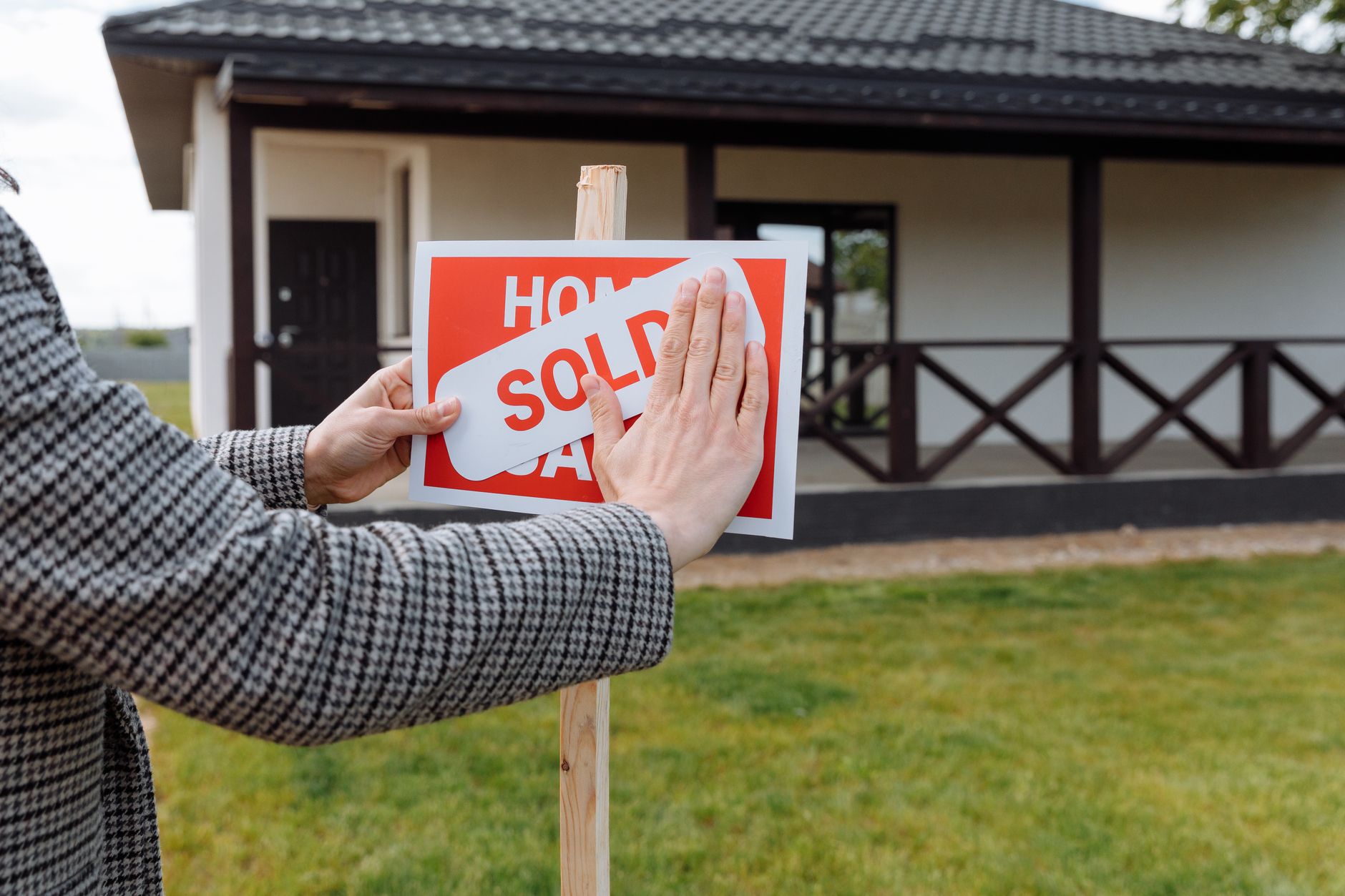
If you want to price your Long Island home for a fast cash sale, the key is understanding how cash buyers calculate offers, what local market factors matter most, and how to evaluate whether a no-hassle sale truly puts more money in your pocket than a traditional listing would.
What a Cash Sale Price Really Means
When homeowners first hear the phrase “cash offer,” many assume it means accepting far less than their home is worth. That assumption is understandable, but it misses the full financial picture. A cash sale price is not simply the list price minus a big discount. It is the price you actually walk away with after every cost has been stripped out of the equation.
On Long Island, where property values in communities like Babylon, Huntington, Islip, and Hempstead can range from $350,000 to well over $700,000, even small differences in net proceeds matter enormously. A home that lists at $550,000 but requires $25,000 in repairs, carries $18,000 in agent commissions, and sits on the market for 60 days while you continue paying mortgage, taxes, and insurance may ultimately net you less than a direct cash offer of $470,000 closed in two weeks.
Understanding this distinction is the foundation of smart pricing for a fast cash sale. The goal is not to maximize the number at the top of the contract. It is to maximize the number that ends up in your bank account.
How Cash Buyers Calculate Offers
Cash home buyers like Square One Home Buyers use a straightforward formula to arrive at a fair offer. Knowing this formula helps you understand any offer you receive and gives you a realistic starting point when estimating what your home will fetch.
The core calculation is:
- Determine the After-Repair Value (ARV). This is the estimated market value of your home after all necessary repairs and updates are completed. Cash buyers research recent comparable sales (comps) in your neighborhood to arrive at this number.
- Estimate the cost of repairs. Cash buyers inspect the property and calculate what it would cost to bring the home to market-ready condition. This includes everything from fresh paint and flooring to roof replacements or foundation work.
- Apply the investor’s target margin. To stay in business, a cash buyer needs to cover their holding costs, transaction costs, and a modest profit. A common formula is: Cash Offer = (ARV x 0.70) – Repair Costs. This is sometimes called the “70% rule,” though many reputable buyers operate closer to 75-85% of ARV depending on the property and market conditions.
- Adjust for local market conditions. In fast-moving Long Island markets, buyers may offer higher percentages of ARV because they can resell quickly. Slower submarkets may see offers lean toward the lower end.
You can also review resources like the Consumer Financial Protection Bureau’s homeowner resources to better understand fair market value concepts before accepting any offer.
Long Island Market Factors That Affect Your Price
Long Island is not a single, uniform real estate market. Nassau County and Suffolk County each contain dozens of distinct communities, each with their own price dynamics, buyer demand levels, and property tax environments. The factors below all influence where your home’s cash offer will land.
Location and School District
Homes in top-rated school districts command higher ARV values. A property in Syosset, Garden City, or Jericho will have a higher ceiling than a comparable home in a district with lower ratings, even if the physical structures are identical. Cash buyers account for this in their ARV research.
Property Condition
The bigger the gap between your home’s current condition and market-ready condition, the lower the cash offer relative to ARV. A home that needs a new roof, updated kitchen, and electrical panel upgrades will see more repair costs subtracted from the offer than a home in good structural shape that just needs cosmetic freshening.
Property Taxes
Long Island is notorious for high property taxes. Suffolk County and Nassau County consistently rank among the highest property tax areas in the entire country. High annual taxes reduce the pool of qualified buyers and increase carrying costs for investors, which can pull offers slightly lower. If you are uncertain how your tax bill factors into the picture, our Suffolk County property tax guide for homeowners considering selling breaks this down in detail.
Time on Market and Carrying Costs
Every month your home sits unsold costs money. Mortgage payments, property taxes, homeowner’s insurance, utilities, and maintenance expenses add up fast. According to Zillow Research, the average home on Long Island spends 45-75 days on the market before closing through a traditional sale. Our own article on the true cost of holding an empty house on Long Island shows how these expenses can easily reach $3,000-$6,000 per month.
Market Inventory Levels
When inventory is tight, as it has been across Long Island in recent years, cash buyers can afford to make more competitive offers because they know resale demand is strong. Check our Long Island real estate market trends for 2026 for current inventory and pricing data.
Cash Sale vs. Traditional Sale: Side by Side
One of the clearest ways to evaluate a cash offer is to compare the two selling paths directly. The table below uses a hypothetical Long Island home with a fair market value of $500,000 and estimated repair needs of $20,000.
| Factor | Traditional Listing | Cash Sale |
|---|---|---|
| Listing/sale price | $500,000 | $395,000 |
| Repairs before listing | -$20,000 | $0 |
| Agent commissions (5.5%) | -$27,500 | $0 |
| Seller closing costs (2%) | -$10,000 | $0 |
| Holding costs (3 months) | -$12,000 | $0 |
| Price reductions / negotiations | -$10,000 | $0 |
| Estimated net proceeds | $420,500 | $395,000 |
| Time to close | 75-120 days | 7-14 days |
| Risk of deal falling through | High (financing, inspections) | Very low |
In this scenario, the cash sale nets only $25,500 less – and that gap narrows further if the home needs more repairs, if negotiations push the price down, or if the seller carries the property for longer than three months. For homeowners who need speed, certainty, or relief from a stressful situation, that gap can be well worth closing.
Steps to Price Your Home for a Fast Cash Sale
You do not have to guess at your home’s value before approaching a cash buyer. Follow these steps to arrive at an informed number and negotiate from a position of knowledge.
- Research recent comparable sales. Look at homes sold within the last 3-6 months in your ZIP code that are similar in size, age, and condition. The Zillow and Redfin platforms offer free sale history data. Focus on actual sold prices, not current listing prices.
- Estimate your repair costs honestly. Walk through your home room by room and note every issue. Get at least one contractor quote for major items like roofing, HVAC, or electrical. Be realistic – cash buyers will identify these issues during their own walkthrough.
- Calculate your carrying costs. Add up your monthly mortgage payment, property taxes (divide annual bill by 12), insurance, and utilities. Multiply by the number of months a traditional sale would take. This is money you save by closing fast.
- Run the net proceeds comparison. Use the table format above to compare what you would actually walk away with under each scenario, not just the headline sale price.
- Request offers from multiple cash buyers. Do not settle for the first offer you receive. Get 2-3 offers from reputable buyers and compare them. Legitimate cash buyers will provide written offers with no obligation.
- Review each offer’s terms beyond the price. Look at the proposed closing date, any contingencies, whether the buyer covers closing costs, and their track record with past sellers.
Common Pricing Mistakes Long Island Sellers Make
Even well-intentioned sellers make errors that either leave money on the table or cause deals to fall apart. Here are the most common mistakes to avoid when pricing for a cash sale.
Anchoring to the Zestimate or Tax Assessment
Online automated valuations like Zillow’s Zestimate are useful starting points but are often inaccurate for individual properties, especially older Long Island homes with unique features or deferred maintenance. New York property tax assessments are also notoriously disconnected from current market value. Do not treat either number as your true market value.
Ignoring Condition-Related Discounts
Some sellers know their home needs work but hope a buyer will overlook it. Cash buyers will not. They will identify every issue during inspection and adjust their offer accordingly. Being upfront about your home’s condition leads to faster, smoother transactions and more accurate initial offers.
Comparing Cash Offers to Listing Prices Instead of Net Proceeds
This is the most common mistake. Sellers compare a $410,000 cash offer to a $499,000 listing price and feel shortchanged – without accounting for the $60,000+ in costs that eat into that listing price. Always compare net-to-net, not gross-to-gross.
Waiting Too Long When Costs Are Accumulating
If you are dealing with missed mortgage payments in New York, every month you wait deepens the financial hole. The longer you hold a property you cannot afford or do not want, the more a cash sale improves in comparison to the alternatives.
Not Vetting the Cash Buyer
Not all cash buyers operate the same way. Look for buyers with verifiable local experience, transparent offer processes, and real reviews from Long Island homeowners. Our guide to the best cash home buying companies on Long Island can help you identify trustworthy options.
How to Evaluate a Cash Offer on Long Island
Once offers start coming in, you need a clear framework for deciding whether to accept, counter, or walk away. Here is what to look at beyond the dollar amount.
Is the Buyer Using Actual Cash or Financing?
A true cash buyer does not need mortgage approval. Ask for proof of funds – a bank statement or letter from a financial institution confirming the buyer has liquid capital available. If the buyer needs financing, the deal is not truly a cash transaction and carries financing risk.
What Is the Proposed Closing Timeline?
One of the biggest benefits of selling to a cash buyer is speed. If you need to close in 7-14 days to stop foreclosure, avoid a tax lien, or meet a relocation deadline, make sure the buyer can actually deliver on that timeline. Ask for it in writing.
Are There Any Contingencies?
A legitimate cash offer should have minimal contingencies. The most a reputable cash buyer will typically include is a brief inspection period. If an offer is loaded with inspection contingencies, financing contingencies, or repair demands, it is not a true as-is cash offer.
Who Pays Closing Costs?
In New York, sellers typically pay significant closing costs including transfer taxes, attorney fees, and more. Reputable cash buyers often cover closing costs as part of their offer structure, which further improves your net proceeds. Confirm this in writing before signing anything. For a full breakdown, see our article on seller closing costs in New York.
By the Numbers: What a Fast Cash Sale Looks Like
- 7-14 days: Typical closing timeline with a cash buyer, compared to 45-90 days with a traditional sale on Long Island.
- 0%: Agent commissions paid by sellers in a direct cash transaction.
- 70-85%: The typical range of ARV that reputable cash buyers offer, depending on condition and market.
- $3,000-$6,000: Average monthly carrying cost for an empty Long Island home (mortgage, taxes, insurance, utilities).
- 5-6%: Standard realtor commission in New York, which on a $500,000 home equals $25,000-$30,000 out of pocket.
- 445 days: The average foreclosure timeline in New York according to New York Courts, making early action critical for distressed sellers.
To learn more about what to expect throughout the process, visit our page on the benefits of selling your home for cash.
Frequently Asked Questions
How much below market value will a cash buyer offer for my Long Island home?
A cash buyer on Long Island will typically offer between 70% and 85% of a home’s after-repair value, depending on the property’s condition, location, and current market activity. However, when you subtract repair costs, realtor commissions, closing costs, and monthly carrying expenses from a traditional sale, the actual difference in net proceeds is often much smaller than homeowners expect – and in some cases, the cash sale yields more money in the seller’s pocket.
Should I make repairs before selling to a cash buyer in Long Island?
No – you should not make repairs before selling to a cash buyer, because cash buyers purchase homes as-is and price their offers to account for repair costs. Spending money on repairs before a cash sale rarely increases the offer proportionally and can delay your closing timeline. The entire point of selling for cash is to avoid the burden of costly upgrades and renovations before selling.
Can I negotiate a cash offer on my Long Island home?
Yes, cash offers are negotiable. If you have done your own research on comparable sales and believe an offer undervalues your property, you can present your data and make a counteroffer. Reputable cash buyers will engage in good-faith negotiations. Requesting offers from multiple buyers also gives you leverage to negotiate, since you can compare competing numbers and terms.
How do I know if a cash buyer in Long Island is legitimate?
A legitimate cash buyer will provide proof of funds, explain their offer calculation transparently, charge you no upfront fees, give you time to review the offer without pressure, and have verifiable reviews or references from past sellers. You can also verify their business registration with the New York State Department of State. Avoid any buyer who pressures you to sign immediately or cannot provide written documentation of their funds.
How long does it take to close a cash sale on Long Island?
A cash home sale on Long Island can close in as little as 7-14 days from the date of the accepted offer, compared to 45-90 days for a traditional financed sale. The exact timeline depends on how quickly title work is completed and whether any issues arise during the brief inspection period. Some sellers choose to close on a later date that fits their moving plans, which most cash buyers can accommodate.
Ready to Find Out What Your Long Island Home Is Worth in Cash?
Get a no-obligation cash offer from Square One Home Buyers and see exactly how the numbers compare for your specific property – no repairs needed, no agent fees, no pressure.