
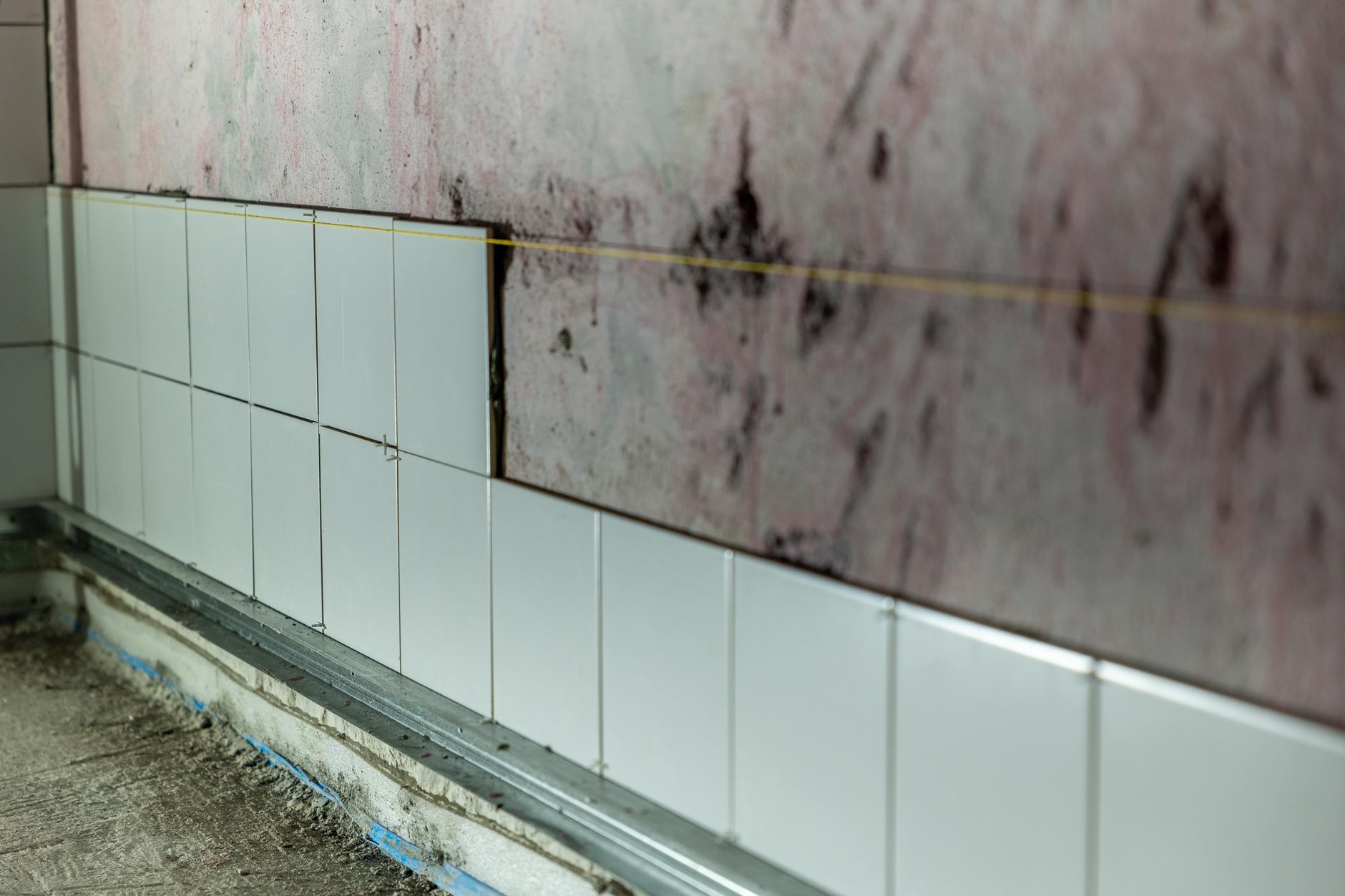
Selling a house with mold in Long Island is entirely possible, but it requires understanding New York’s disclosure obligations, the true cost of remediation, and which selling path makes the most sense for your situation. Whether you discovered mold during a home inspection or have known about a moisture problem for years, this guide walks you through everything you need to know to sell your home legally, honestly, and on your timeline.
What Is Mold and Why Does It Complicate a Sale?
Mold is a fungal growth that thrives in damp, humid environments. Long Island’s coastal climate, combined with aging housing stock and the aftermath of storms like Hurricane Sandy, means mold is a far more common problem here than in drier parts of the country. It can grow behind walls, under flooring, in attics, in basements, and inside HVAC systems, often invisible to the naked eye until a problem has become significant.
From a real estate perspective, mold triggers a chain reaction of complications. Buyers fear health risks. Mortgage lenders are sometimes reluctant to approve financing on homes with active mold. Home inspectors are trained to flag it. And once mold appears on an inspection report, deals have a habit of falling apart or being renegotiated sharply downward. If you are selling a house with mold, the decisions you make early in the process will determine how smoothly the sale goes.
New York Disclosure Rules for Mold
New York State takes property disclosure seriously. Under the New York Property Condition Disclosure Act, sellers are required to disclose known material defects in their home before a sale is finalized. Mold falls squarely within that definition.
Here is what you need to know about New York’s disclosure rules as they apply to mold:
- You must disclose known mold. If you are aware of a mold problem, past or present, you are legally obligated to disclose it on the Property Condition Disclosure Statement (PCDS). Failing to disclose can expose you to lawsuits and liability after closing.
- The $500 credit option has changed. Historically, sellers could avoid completing the PCDS by offering buyers a $500 credit at closing. However, as of March 2026, New York law requires sellers to complete the full disclosure form rather than simply offering the credit. This makes honest, upfront disclosure even more important.
- Past mold counts too. If you had mold remediated professionally in the past, you should still disclose the history. Buyers and their attorneys will likely find out anyway through inspection or title research, and full transparency protects you legally.
- You are not required to test for mold. The law requires you to disclose what you know. You are not legally compelled to hire a mold inspector or conduct air quality testing before listing. However, choosing not to test does not eliminate liability if mold is later discovered that you should have known about.
Long Island real estate attorneys and agents will almost universally advise full transparency. Beyond the legal exposure, buyers who feel misled are far more likely to pursue legal remedies after closing, which can cost far more than the remediation itself would have.
How Mold Affects Home Value on Long Island
The financial impact of mold on a Long Island home depends on several factors: the type of mold, the extent of the infestation, its location in the home, and how competitive the local market is at the time of sale.
Here is a realistic breakdown of what you can expect:
- Surface mold in a bathroom or laundry room is usually viewed as a minor cosmetic issue and may result in little to no price reduction, especially if you clean it up before listing.
- Mold in a basement or crawl space is more concerning to buyers and lenders. It often signals a moisture intrusion or drainage problem that goes beyond the mold itself. Price reductions of $10,000 to $30,000 or more are not unusual in these scenarios on Long Island.
- Black mold (Stachybotrys) or widespread mold throughout the home is a serious red flag. It can kill a traditional sale outright, cause buyers to walk away after inspection, or result in offers 20 to 30 percent below market value.
- Mold affecting structural elements such as floor joists, roof decking, or framing can push a home into the category that most retail buyers will simply not touch without significant price concessions or full remediation first.
It is also worth noting that many conventional mortgage lenders, including those offering FHA and VA loans, may refuse to finance a home with active mold. This effectively limits your buyer pool to cash buyers or buyers using specialized financing, which directly affects how long your home sits on the market and what price you can realistically achieve.
If you are curious about how other property condition issues affect Long Island home values, our post on selling a house during divorce in New York touches on similar challenges around selling under pressure with complications attached to the property.
Mold Remediation: Costs and What to Expect
Many homeowners consider remediating the mold before listing, hoping to command a full-price sale. This is a legitimate option, but it comes with costs and timelines that deserve careful consideration.
According to the U.S. Environmental Protection Agency, mold remediation scope and cost vary widely depending on how far the mold has spread. Here are general cost ranges for Long Island homeowners:
- Minor surface mold (under 10 square feet): $500 to $1,500. This may be something a homeowner can handle with proper safety equipment and EPA-approved cleaning products.
- Moderate mold (one room or a basement area): $2,000 to $6,000. This typically requires a licensed mold remediation contractor.
- Extensive mold (multiple rooms, inside walls, or structural): $10,000 to $30,000 or more. Full containment, material removal, and reconstruction may be necessary.
- Black mold remediation: Often on the higher end of these ranges and may require air quality testing before and after to certify the home as mold-free.
Beyond the direct cost, remediation takes time. A significant mold problem can take two to six weeks to fully address before the home is ready to list. Then you still need to complete the listing process, find a buyer, and navigate inspections, appraisals, and financing, which adds another 45 to 90 days on average for a traditional sale. If you are under any financial pressure, that timeline may not be workable.
Your Options When Selling a Mold-Affected Home
Once you understand the disclosure requirements and the cost of remediation, you have three primary paths forward. Each one is a legitimate choice depending on your financial situation, timeline, and how much work you are willing to take on.
Option 1: Remediate First, Then List on the MLS
If your mold issue is manageable in cost and scope, remediating before listing gives you the best chance at a full-price, traditional sale. You will attract a larger pool of buyers, including those using FHA and VA financing. The tradeoff is upfront cost (ranging from a few thousand to tens of thousands of dollars) and a longer overall timeline.
Option 2: List As-Is with Full Disclosure and Price Accordingly
Some sellers choose to list the home on the MLS as-is with full disclosure of the mold condition and a price that reflects the needed work. This can work in a hot market where buyers are looking for fixer opportunities. The challenge is that even motivated buyers often face financing hurdles with mold-affected properties, and negotiations after inspection tend to be messy and drawn out.
Option 3: Sell to a Cash Buyer As-Is
For many Long Island homeowners dealing with mold, selling directly to a cash home buyer is the cleanest, fastest, and lowest-stress option. There is no remediation required, no listing process, no uncertain financing, and no risk of a deal falling through after inspection. You disclose the mold condition honestly, receive a fair cash offer that accounts for the needed work, and close on your timeline.
You can learn more about how Square One Home Buyers purchases damaged homes directly from Long Island homeowners without requiring repairs.
Selling As-Is for Cash: The Fastest Path Forward
If you are dealing with mold and need to sell your Long Island home without the hassle of remediation, a cash home buyer offers a straightforward path. Here is exactly how the process works:
- Contact a cash buyer. You reach out to Square One Home Buyers, share basic details about your home and the mold situation, and schedule a walkthrough. There is no obligation.
- Receive a cash offer. After evaluating the property, the buyer presents a no-obligation cash offer, typically within 24 to 48 hours. The offer accounts for the as-is condition of the home, including the cost of mold remediation.
- Review and accept. You review the offer on your own timeline. There is no pressure and no realtor commission being pulled from your proceeds.
- Choose your closing date. Cash sales can close in as little as 7 to 14 days, or you can choose a later date that fits your move-out schedule.
- Close and get paid. You sign the paperwork, the mold issue is transferred to the buyer, and you walk away with cash in hand. No repairs, no inspections to worry about, no surprises.
This process is especially valuable for homeowners who are also dealing with other challenges alongside the mold issue, such as financial hardship, an inherited property, or the need to relocate quickly. Our post on how to sell your house fast when facing job loss or medical bills covers many of the overlapping challenges Long Island homeowners face in these situations.
Cash Sale vs. Traditional Sale: A Side-by-Side Comparison
If you are weighing your options, this comparison table breaks down what each path typically looks like for a Long Island homeowner selling a house with mold.
| Factor | Traditional Sale (with remediation) | Cash Sale (as-is) |
|---|---|---|
| Remediation required | Yes (often $5,000 to $30,000+) | No |
| Time to close | 3 to 6 months | 7 to 14 days |
| Buyer financing risk | High (lenders may decline) | None (no financing involved) |
| Realtor commissions | Typically 5 to 6% of sale price | None |
| Seller closing costs | 1 to 3% of sale price | Usually covered by buyer |
| Inspection negotiations | Common and often contentious | None |
| Deal fall-through risk | High with mold present | Very low |
| Best for | Minor mold, ample time and capital | Significant mold, fast timeline needed |
For a deeper look at how these two paths compare across all types of home conditions, see our full breakdown in Cash Buyer vs. Real Estate Agent: Which Is Right for Your Situation?
By the Numbers
- 7 to 14 days: Typical closing timeline with a cash buyer, compared to 45 to 90 days on the traditional market.
- $10,000 to $30,000+: Average cost to remediate moderate to severe mold in a Long Island home.
- 20 to 30%: Potential price reduction buyers may demand on a home with significant mold when negotiating after inspection.
- 5 to 6%: Realtor commission a seller typically pays in a traditional transaction, not applicable in a direct cash sale.
- 45%: Percentage of home sales nationally that experience delays, according to the National Association of Realtors, with inspection-related issues including mold being a leading cause.
Frequently Asked Questions
Do I have to disclose mold when selling a house in New York?
Yes. Under New York’s Property Condition Disclosure Act, sellers must disclose all known material defects, including mold, on the Property Condition Disclosure Statement. As of March 2026, sellers can no longer bypass this requirement by offering a $500 credit. Failing to disclose known mold exposes sellers to post-closing lawsuits and financial liability.
Can I sell a house with mold as-is in Long Island?
Yes, you can sell a house with mold as-is in Long Island. You are required to disclose the condition, but you are not legally required to remediate it before selling. Selling as-is to a cash home buyer is a common and fully legal option that allows homeowners to skip remediation, avoid listing complications, and close quickly without repairs.
Will a mortgage lender finance a home with mold?
Many conventional mortgage lenders, as well as FHA and VA loan programs, will not approve financing on a home with active mold. This significantly limits the pool of buyers who can purchase a mold-affected home through traditional channels. Cash buyers are not subject to lender restrictions, which is why a direct cash sale is often the most reliable option when mold is present.
How much does mold lower the value of a home on Long Island?
The impact of mold on home value on Long Island varies by severity. Surface mold may cause minimal or no price reduction if cleaned before listing. Mold in a basement or crawl space can reduce offers by $10,000 to $30,000. Widespread or black mold throughout a home can result in offers 20 to 30 percent below market value, or cause buyers to walk away entirely, especially when lender financing is involved.
What is the fastest way to sell a house with mold in Long Island?
The fastest way to sell a house with mold in Long Island is to sell directly to a cash home buyer. Companies like Square One Home Buyers purchase properties as-is, require no remediation, and can close in as little as 7 to 14 days. This eliminates the risk of deals falling through after inspection and removes the cost and time burden of professional mold remediation before listing.
Ready to Sell Your Mold-Affected Home Without the Hassle?
Square One Home Buyers purchases Long Island homes as-is, including homes with mold, water damage, and other serious conditions. No repairs, no commissions, no uncertainty – just a fair cash offer and a closing date that works for you.