
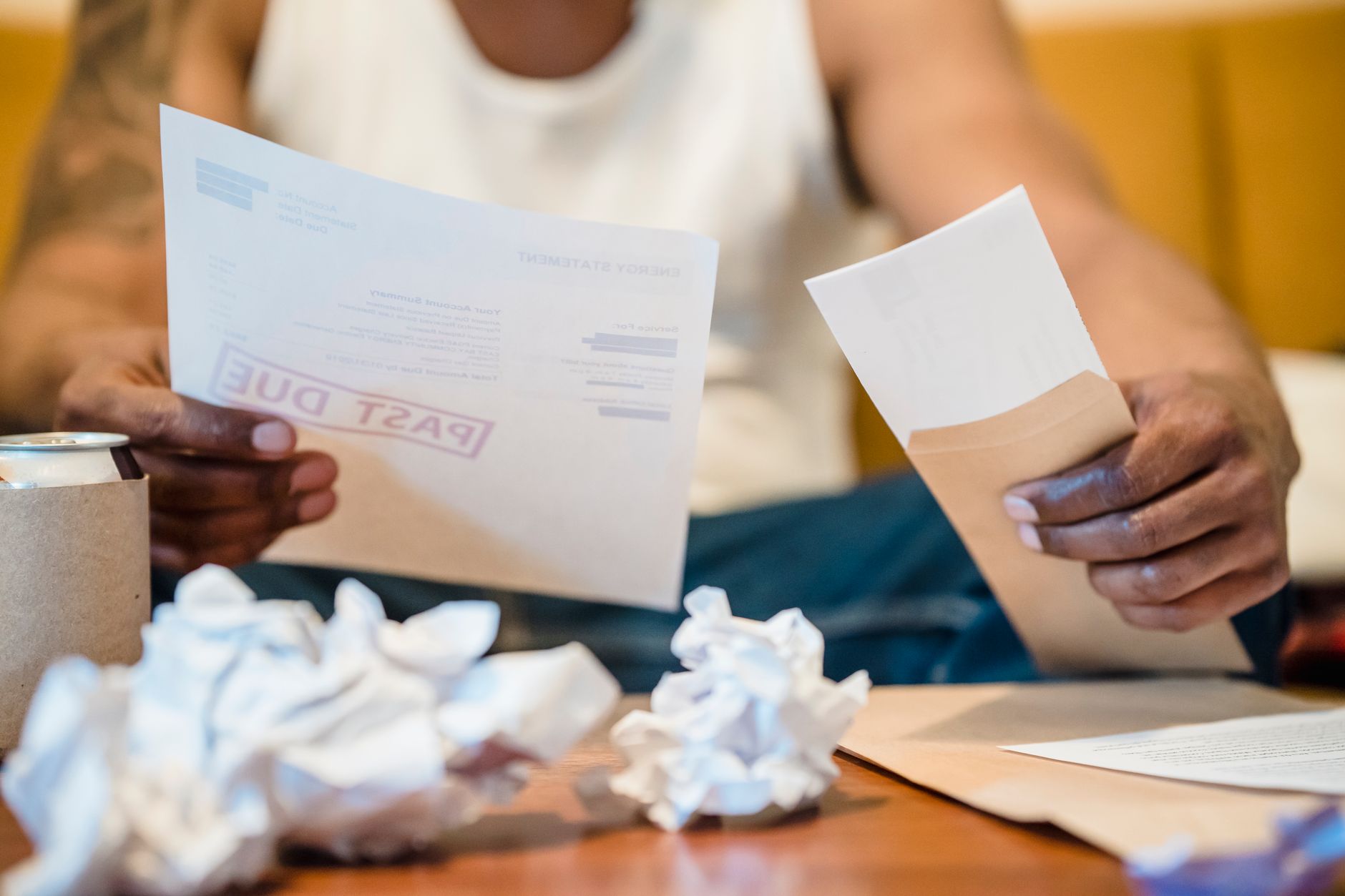
If you are trying to avoid debt collectors in New York, your home equity may be one of the most powerful tools available to you. When bills pile up, wages feel stretched, and creditor calls become a daily nightmare, many Long Island homeowners do not realize that the equity sitting in their property can be converted into fast cash to pay off debts, stop collection activity, and regain control of their financial lives. Selling your house for cash is not giving up – it is often one of the smartest financial moves a New York homeowner can make.
How Debt Collectors Affect New York Homeowners
Financial hardship does not happen overnight. For most Long Island homeowners, it builds gradually. Maybe it started with a medical emergency, a job loss, or a divorce. Perhaps credit card balances grew during a rough patch, or a personal loan became impossible to repay. Whatever the cause, once debt collectors become involved, the stress compounds quickly.
New York State has some of the most active debt collection environments in the country. According to the Consumer Financial Protection Bureau, Americans received more than 77 million calls from debt collectors in a single year, and New York residents consistently rank among the most contacted. For homeowners specifically, the stakes are especially high because creditors can eventually pursue legal remedies that put your property at risk.
When creditors obtain a court judgment against you in New York, they can pursue wage garnishment, bank account levies, and – most critically for homeowners – property liens. A judgment lien attaches to your real estate and must be satisfied before the property can be sold or refinanced. If you are already dealing with mounting debt, the last thing you want is creditors locking up your largest asset before you have a chance to act.
What Debt Collectors Can and Cannot Do in New York
Understanding your rights is the first step toward protecting yourself. New York homeowners are protected by both the federal Fair Debt Collection Practices Act (FDCPA) and the New York State Debt Collection Procedures Law, which in many ways provides stronger protections than federal law.
Under these laws, debt collectors cannot harass you, call at unreasonable hours, use abusive language, or make false threats. However, they absolutely can take legal action, and in New York that process can move faster than many homeowners expect. The New York State Unified Court System processes thousands of debt-related civil actions each year.
Here is what collectors can legally do in New York once they obtain a court judgment:
- Garnish up to 10% of your gross wages (or 25% of disposable earnings, whichever is less)
- Freeze and levy funds in your bank accounts
- File a judgment lien against your real property in Nassau County or Suffolk County
- Pursue the lien when you sell or refinance your home
- Renew the lien for an additional 10 years if unpaid
Knowing these possibilities, the window between receiving collection notices and a judgment being entered is when homeowners have the most leverage. If you are behind on multiple accounts and feel like the situation is spiraling, that window may be narrower than you think.
How Home Equity Becomes a Creditor Target
Long Island homeowners often have significant equity built up over years of ownership. According to recent market data, median home values in Nassau County and Suffolk County have risen substantially, with many homeowners sitting on $100,000 to $300,000 or more in equity. That equity is an asset – but it can also become a target.
When a judgment creditor files a lien against your property in New York, that lien does not force an immediate sale. However, it does mean that when you eventually sell or refinance, the lien must be paid from your proceeds. If multiple judgment liens stack up, your net proceeds can shrink dramatically. In severe cases, multiple liens can completely wipe out your equity, leaving you with nothing after the sale.
There is also the risk of creditors pursuing a forced sale of your property, though this is less common in New York and more difficult to execute for unsecured debts. Still, the risk is real – particularly for larger judgment amounts.
If you are also dealing with issues like missed mortgage payments in New York, the combination of a potential foreclosure and mounting unsecured debt can feel overwhelming. But having equity means you still have options that many people in similar situations do not.
How a Cash Sale Can Stop the Debt Cycle
Selling your house for cash to a direct buyer like Square One Home Buyers is one of the fastest ways Long Island homeowners can convert their equity into usable funds. Unlike a traditional sale that can take 60 to 90 days, a cash sale can close in as little as 7 to 14 days – fast enough to stay ahead of collection actions in many cases.
Here is how a cash sale specifically helps you avoid debt collectors in New York:
- Speed: With a closing in 7-14 days, you can have funds in hand before creditors obtain judgments or file liens. Time is the single biggest variable in debt collection situations.
- Certainty: Traditional sales can fall through if a buyer’s financing is denied. A cash sale has no mortgage contingency, so the deal does not collapse at the last minute while collectors are still active.
- No repair costs: When you are already financially strained, the last thing you can afford is spending $10,000 to $40,000 preparing a home for the traditional market. Cash buyers purchase as-is, so every dollar of equity stays in your pocket.
- No commissions or fees: A traditional real estate sale on Long Island typically costs sellers 5-6% in agent commissions plus closing costs. On a $400,000 home, that is $20,000 to $24,000 that never reaches your bank account. A cash buyer eliminates those deductions.
- Lien resolution at closing: Any existing judgment liens or mortgage balances are paid directly from closing proceeds through the title company, so the process is handled cleanly and legally.
For homeowners who feel paralyzed by financial stress, selling your house fast when facing job loss or medical bills is often the reset button that makes everything else manageable again.
The Cash Home Sale Process in New York
If you have never sold a house for cash before, the process is simpler than you might expect. Here is exactly what to expect when working with a cash buyer like Square One Home Buyers on Long Island:
- Submit your property information. You share basic details about your home – address, condition, and your situation. This takes just a few minutes and there is no obligation.
- Receive a no-obligation cash offer. A local buyer will review your property and present a written cash offer, typically within 24 to 48 hours. The offer is based on your home’s current condition and the local market.
- Review and accept the offer. You take as much time as you need. There is no pressure. If the offer works for you, you accept it and choose a closing date that fits your needs.
- Title search and closing preparation. A title company conducts a standard title search. Any liens, judgments, or mortgage balances are identified and addressed. This happens in the background while you prepare to move.
- Close and receive your funds. On closing day, all liens and balances are paid from proceeds, and you receive your net amount – typically by wire transfer or certified check on the same day.
If you want a more detailed walkthrough of what happens at the closing table, read our guide on what to expect on closing day when selling your house for cash in New York.
Using Your Sale Proceeds to Resolve Debt
Receiving a lump sum from the sale of your Long Island home gives you significant negotiating power with creditors – power you simply do not have when you are making minimum payments month to month. Here is how to make the most of your sale proceeds:
Negotiate settled amounts. Many debt collectors will accept less than the full balance to close an account, especially if you can offer a lump-sum payment. It is not uncommon to settle unsecured debt for 40 to 60 cents on the dollar when you can pay in full immediately.
Pay judgment liens first. These are attached to your property and typically get resolved at closing automatically. Any remaining liens need to be addressed to protect your credit and financial future.
Address tax debt. If you owe back property taxes in Suffolk County or Nassau County, those must be satisfied at closing anyway. Federal and state income tax debt, however, may require separate negotiation with the IRS or New York State Department of Taxation and Finance. The IRS Offer in Compromise program may allow you to settle for less than you owe.
Consult a nonprofit credit counselor. Before deciding how to distribute proceeds, consider speaking with a HUD-approved housing counselor or nonprofit credit counseling agency. They can help you prioritize debts strategically.
Build a post-sale buffer. After satisfying your debts, having even a modest cash reserve will help you avoid falling back into a debt cycle. Many Long Island homeowners find that renting a smaller home or apartment for a year or two after a cash sale gives them the breathing room to rebuild savings and stabilize their finances.
If you are also concerned about deeper financial issues like insolvency, reviewing your options around how bankruptcy affects your home in New York may be worth discussing with an attorney before you sell, as it could affect how proceeds are handled.
By the Numbers: Cash Sale vs. Traditional Sale When Facing Debt
| Factor | Cash Sale (Square One) | Traditional Sale (Agent) |
|---|---|---|
| Time to close | 7-14 days | 60-90+ days |
| Agent commissions | $0 | 5-6% of sale price |
| Seller closing costs | $0 | 1-3% of sale price |
| Repair costs required | None (as-is) | $5,000 to $40,000+ |
| Risk of deal falling through | Very low | 15-20% of listings fall through |
| Risk of new liens during process | Minimal (fast close) | High (90-day exposure) |
| Ability to choose closing date | Yes, flexible | Buyer-dependent |
- 7-14 days: Typical closing timeline with a cash buyer, compared to 60-90 days on the traditional market.
- 10 years: How long a judgment lien remains active on New York real property before it must be renewed.
- 40-60%: Typical settlement range for unsecured debt when a lump-sum cash payment is offered.
- 5-6%: Average agent commission on Long Island that sellers avoid when working with a direct cash buyer.
- $0: What you pay in closing costs or fees when selling to Square One Home Buyers.
Frequently Asked Questions
Can debt collectors force me to sell my house in New York?
In New York, unsecured creditors who obtain a judgment can file a lien against your real property, but forcing an actual sale of your primary residence is extremely difficult and rarely pursued for unsecured consumer debt. However, the lien must be paid when you sell or refinance, and it reduces your net proceeds. The risk increases with larger judgment amounts or multiple creditors, which is why acting before liens are filed gives you the most financial control.
How quickly can I sell my house for cash to stop debt collection activity?
With a cash home buyer on Long Island, you can close in as little as 7-14 days from accepting an offer. This is often fast enough to generate proceeds before a creditor obtains a civil judgment, especially in the early stages of collection. The entire process from submitting your property information to receiving funds can happen within two to three weeks in many cases.
Will selling my house for cash affect my credit score?
Selling your house for cash does not directly impact your credit score. In fact, using the proceeds to pay off outstanding debts, charge-offs, and collection accounts can significantly improve your credit profile over time. Satisfying judgment liens and derogatory accounts removes negative items from your debt picture, even if the credit report entries take time to reflect the updates.
What if I have judgment liens already filed against my property in New York?
Existing judgment liens are handled at closing through the title company. The title search will identify all recorded liens, and those amounts are paid from your sale proceeds before you receive your net payment. You do not need to resolve liens separately before selling – the closing process handles them automatically, as long as your equity covers the total amounts owed.
Can I sell my Long Island house for cash if I also owe back property taxes?
Yes, you can sell your house for cash even if you owe back property taxes in Nassau County or Suffolk County. Unpaid property taxes are treated as a priority lien and are paid from your closing proceeds before you receive the remainder. A cash buyer like Square One Home Buyers purchases homes in these exact situations regularly, and the tax balance is simply factored into the closing settlement statement.
Ready to Turn Your Equity Into a Fresh Financial Start?
If debt collectors are adding stress to your life and you own a home on Long Island, Square One Home Buyers can give you a no-obligation cash offer in as little as 24 hours – so you can move forward with clarity and confidence.