
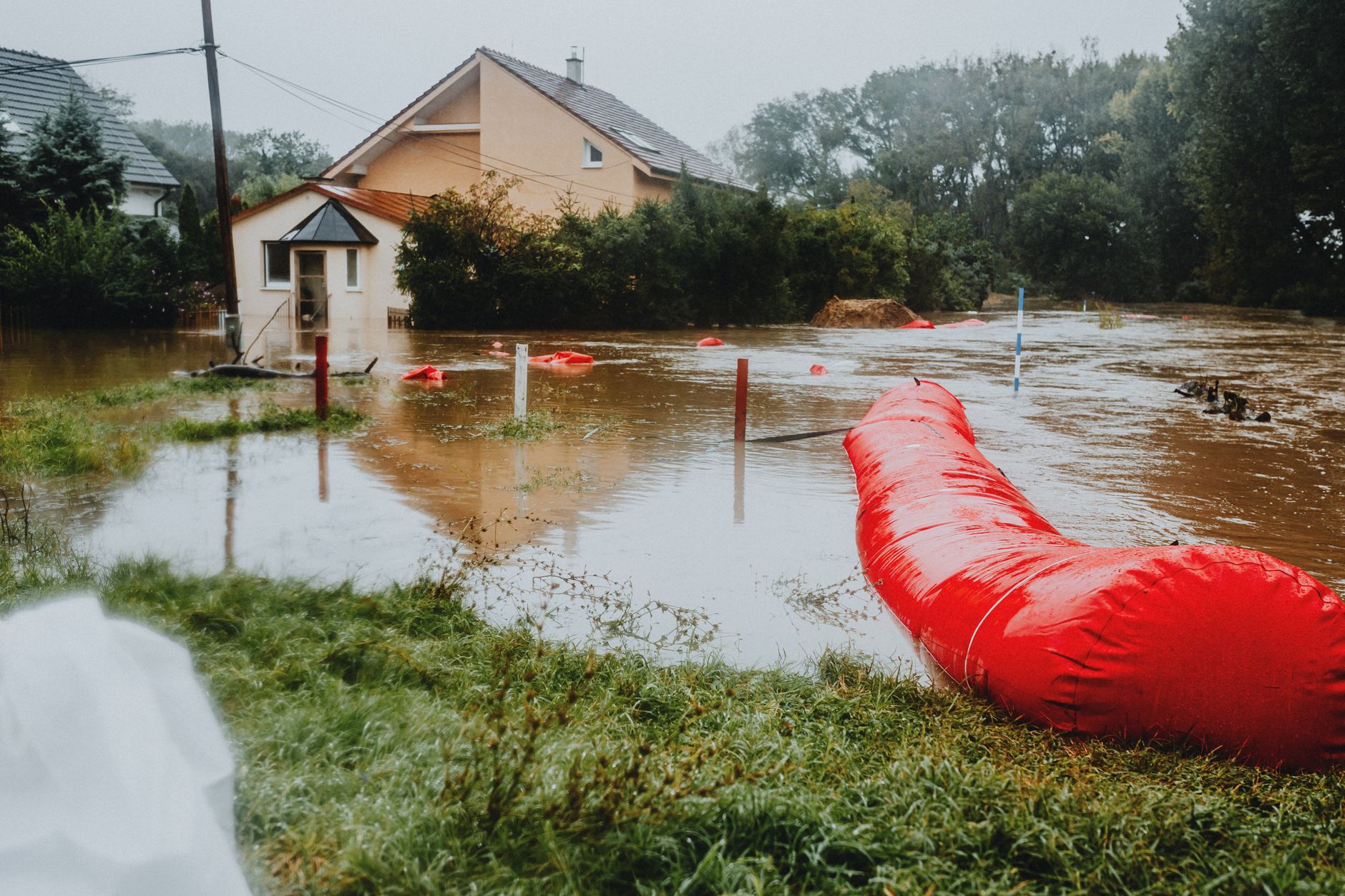
Selling a water-damaged house on Long Island is entirely possible, even if your home has significant structural issues, mold, or flooding history. Whether your property suffered from a major storm, a burst pipe, a failed sump pump, or years of slow moisture intrusion, you have real options, and understanding them can save you thousands of dollars and months of stress.
Why Water Damage Is So Common on Long Island
Long Island’s geography makes it one of the most water-damage-prone regions in New York. Surrounded by the Long Island Sound to the north and the Atlantic Ocean to the south, the Island sits in the direct path of nor’easters, tropical storms, and coastal flooding events. Add in aging housing stock, high water tables across much of Nassau County and Suffolk County, and older drainage infrastructure in communities like Babylon, Hempstead, and Islip, and you have a recipe for widespread water intrusion problems.
Superstorm Sandy in 2012 left a particularly lasting mark. According to FEMA, more than 50,000 homes in Nassau and Suffolk counties were damaged or destroyed during that single event. But storm surges are just one source of water damage. Long Island homeowners also face basement flooding from high groundwater, roof leaks from ice dams in winter, burst pipes during cold snaps, failed sump pumps, and sewage backups from overtaxed municipal systems.
If your home has experienced any of these issues, you are far from alone, and you are not stuck.
How Water Damage Affects Your Home’s Value on Long Island
Water damage does not affect all homes equally. The impact on your property’s value depends on several factors, including the type of damage, how long it went unaddressed, and whether mold has developed as a secondary consequence.
Research from the National Association of Realtors suggests that visible water damage can reduce a home’s resale value by 10% to 25%, depending on severity. In higher-value markets like Long Island, where the median home price hovers well above $600,000, that can translate to a loss of $60,000 to $150,000 or more.
Here is a general breakdown of how different types of water damage affect market value:
| Type of Water Damage | Typical Value Impact | Estimated Repair Cost |
|---|---|---|
| Minor roof leak or window seepage | 2% to 5% reduction | $500 to $5,000 |
| Basement flooding (single event) | 5% to 10% reduction | $3,000 to $15,000 |
| Recurring basement flooding | 10% to 20% reduction | $10,000 to $50,000 |
| Structural damage from water | 15% to 30% reduction | $20,000 to $100,000+ |
| Mold from water intrusion | Up to 37% reduction | $10,000 to $30,000+ |
Beyond the immediate repair costs, a home with a history of water damage can struggle to pass lender inspections, making it harder for traditional buyers to obtain financing. This is one of the biggest hidden obstacles homeowners discover when trying to list a water-damaged property on the open market.
Should You Repair the Damage or Sell As-Is?
This is the most important question most homeowners face, and the right answer depends on your timeline, financial situation, and risk tolerance. Let’s look at both paths honestly.
The Case for Repairing Before Selling
If your damage is minor, you have cash reserves, and you are not in a time crunch, making repairs before listing can help you reach a broader buyer pool and potentially recoup your investment. Minor fixes like patching a roof, sealing a basement crack, or replacing water-stained drywall can be cost-effective if the underlying issue is truly resolved.
However, even with repairs completed, you will still need to disclose the history of water damage to buyers under New York law, which means the stigma does not fully disappear.
The Case for Selling As-Is
For most homeowners dealing with significant water damage, selling as-is makes more financial and practical sense. Here is why:
- Remediation costs are often unpredictable. A basement waterproofing job quoted at $15,000 can balloon to $40,000 once contractors open up walls and find mold behind the drywall.
- Repair timelines are long. A full remediation project in a Suffolk County home can take 3 to 6 months, during which you are still paying property taxes, homeowners insurance, and possibly a mortgage.
- Contractors are in high demand across Long Island, which means delays are common and prices are elevated.
- There is no guarantee repairs will increase your sale price dollar for dollar, especially in a market where buyers and their inspectors are increasingly savvy about water damage history.
If you are already carrying the costs of a damaged, vacant, or difficult-to-insure property, our article on the true cost of holding an empty house in Long Island breaks down just how quickly those expenses add up.
Your Options for Selling a Water-Damaged House on Long Island
Every homeowner’s situation is different, so it helps to understand the full range of options available to you before making a decision.
Option 1: Traditional Listing with a Real Estate Agent
You can list a water-damaged home with a realtor, but be prepared for challenges. Many conventional lenders will not finance homes with active water damage or unresolved mold issues, which narrows your buyer pool significantly. Inspections will flag the damage, and buyers will likely request large concessions or walk away altogether. You will also pay 5% to 6% in agent commissions plus closing costs.
Option 2: Sell to a Traditional Investor or Flipper
Real estate investors who buy, renovate, and resell properties may be interested in a water-damaged home. However, many investors on Long Island are selective and will only move forward if the numbers work well in their favor, meaning their offer will likely reflect steep discounts to cover renovation risk.
Option 3: Sell to a Cash Home Buyer As-Is
Selling your water-damaged house to a professional cash buyer like Square One Home Buyers is often the fastest and most straightforward path. There are no repairs required, no agent commissions, no lender-required inspections, and no risk of a deal falling through because a buyer can’t get financing. You can sell your damaged house for cash and close on your schedule, sometimes in as few as 7 days.
Option 4: Insurance Claim First, Then Decide
If your damage occurred recently due to a named storm or a covered peril, filing a homeowners insurance claim before selling may be worth exploring. Insurance proceeds could offset repair costs or increase the cash you walk away with at closing. However, keep in mind that insurance claims on your record can affect future insurability and may flag the property for buyers doing due diligence.
Checking in with a licensed public adjuster and your insurance carrier before making this decision is a wise move.
New York Disclosure Requirements for Water-Damaged Homes
New York State law requires sellers to complete a Property Condition Disclosure Statement before closing. Under New York Real Property Law Section 462, sellers must disclose known material defects, including water damage, flooding history, mold, and drainage problems.
Specific questions on the disclosure form ask about:
- Whether the basement has experienced flooding or water intrusion
- Whether the property is located in a FEMA-designated flood zone
- Whether there is any known mold or mold remediation history
- Whether there are any known issues with the roof, gutters, or drainage systems
- Whether there has been any past damage from storms or natural disasters
Sellers who choose not to complete the disclosure statement are required by law to give the buyer a $500 credit at closing. However, skipping the form does not eliminate your liability if you had actual knowledge of defects and concealed them.
How to Sell a Water-Damaged House for Cash: Step by Step
If you have decided that selling as-is to a cash buyer is the right move, here is exactly what the process looks like with Square One Home Buyers. We make it simple for Long Island homeowners in exactly your situation.
- Submit your property information. Visit our seller info page and share some basic details about your home and its condition. You do not need to clean up, make repairs, or prepare anything.
- Schedule a quick walkthrough. One of our local team members will visit the property, usually within 24 to 48 hours. We assess the water damage honestly and without judgment. We buy homes in all conditions across Long Island, from Babylon to Brookhaven to Hempstead.
- Receive a no-obligation cash offer. We will present you with a fair, written cash offer typically within 24 hours of the walkthrough. There is no pressure to accept, and there are no hidden fees baked into the process.
- Choose your closing date. If you accept the offer, you pick the closing date that works best for you. We can close in as few as 7 days or give you more time if you need it to arrange your move.
- Close and get paid. We handle all the paperwork and closing logistics. You show up, sign, and receive your funds. No agent commissions, no closing costs on your end, no surprises.
To understand how this compares to a traditional sale, our guide on cash buyer vs. real estate agent lays out the full picture side by side.
By the Numbers: Water-Damaged Home Sales on Long Island
- $10,000 to $100,000+: Typical range of water damage remediation costs for Long Island homes, depending on severity and scope.
- 37%: The estimated reduction in home value when significant mold is present, according to real estate research compiled by the Environmental Protection Agency.
- 50,000+: Number of Long Island homes damaged by Superstorm Sandy in 2012, highlighting how common storm-related water damage is in our region.
- 7 to 14 days: How quickly Square One Home Buyers can close on a water-damaged property, versus 90 to 180 days for a traditional listing with repair contingencies.
- 5% to 6%: Real estate agent commission you avoid when selling directly to a cash buyer, which on a $500,000 Long Island home equals $25,000 to $30,000 in savings.
- $500: The statutory credit New York sellers owe buyers if they choose not to complete a Property Condition Disclosure Statement.
- 30%: Percentage of Long Island homes located in or near FEMA-designated Special Flood Hazard Areas, according to FEMA flood map data.
Frequently Asked Questions
Can I sell a house with active water damage or mold in New York?
Yes, you can sell a house with active water damage or mold in New York, but you must disclose these conditions to buyers as required by the New York Property Condition Disclosure Act. Traditional buyers using bank financing may face obstacles because lenders often require remediation before approving a loan. Selling to a cash buyer is the most reliable way to sell a water-damaged home without making repairs, as cash sales do not involve lender inspections or financing contingencies.
Do I have to fix water damage before selling my Long Island home?
No, you are not legally required to fix water damage before selling your Long Island home, but you are required to disclose it. Many homeowners choose to sell as-is to avoid the high cost and unpredictable timeline of remediation. Cash buyers, in particular, purchase properties in any condition, so repairs are not necessary when selling through this route.
How much less will I get for a water-damaged house?
The reduction in sale price for a water-damaged house typically ranges from 10% to 37% depending on the severity of the damage, whether mold is present, and how well-documented the repair history is. On Long Island, where home values are high, this can mean a significant dollar impact. However, when you factor in the cost of remediation, the time involved, carrying costs during repairs, and agent commissions on a traditional sale, selling as-is to a cash buyer often results in comparable or better net proceeds.
Is a water-damaged house in a flood zone harder to sell?
Yes, homes located in FEMA-designated flood zones on Long Island face additional hurdles, including mandatory flood insurance disclosures, potential requirements for elevation certificates, and stricter lender scrutiny. These factors shrink your pool of traditionally financed buyers considerably. Cash buyers are not subject to lender requirements, which makes selling a flood zone property for cash a much smoother process.
What happens if I sell a house and the buyer later discovers water damage I didn’t disclose?
If a buyer in New York discovers water damage that you knew about and intentionally failed to disclose, you can face legal action for fraudulent misrepresentation or breach of contract, even after the sale has closed. New York courts have consistently upheld buyers’ rights in these situations. Always complete the Property Condition Disclosure Statement honestly and consult a real estate attorney if you have any concerns about your disclosure obligations.
Ready to Sell Your Water-Damaged House on Long Island?
Square One Home Buyers purchases water-damaged homes across Long Island in any condition, with no repairs required, no commissions, and no uncertainty. Get your free, no-obligation cash offer today.